
Protecting the Places We Love: Local Land Conservancies at Work
Five environmental nonprofits share the ups and downs of 2025 and what’s to come in 2026
By Drew VanDrie | Dec. 6, 2025
Northern Michigan is renowned for its expansive natural splendor and broad public access to outdoors spaces. But many of those trails, waterways, and undisturbed natural areas could not exist and persevere without the dedicated effort of several local nonprofit land conservancies.
As we round out 2025, Northern Express connected with a handful of these organizations to learn about recent exciting wins, foreseeable obstacles, and future objectives for conservation in northern Michigan.
Grand Traverse Regional Land Conservancy
For over three decades, the Grand Traverse Regional Land Conservancy has been dedicated to the protection of farm, forest, and natural land in Antrim, Benzie, Grand Traverse, Kalkaska, and Manistee counties. To date, GTRLC has protected over 48,000 acres and 157 miles of shoreline in the region.
Biggest Conservation Wins
“By the end of 2025, or soon after, we’re on track to have completed up to 10 different land protection projects that safeguard our region’s beautiful forests, shoreline, farmlands, and scenic views,” says Katie Auwers, communications and outreach specialist.
“We have also made considerable progress improving the trail systems at places like Green Point Dunes Nature Preserve, Pyatt Lake: The Bill Carls Nature Preserve, and Arcadia Dunes: The C.S. Mott Nature Preserve. Additionally, we have planted roughly 2,500 trees and 7,500 native plant plugs, while removing countless invasive species with the help of volunteers.”
Conservation Challenges
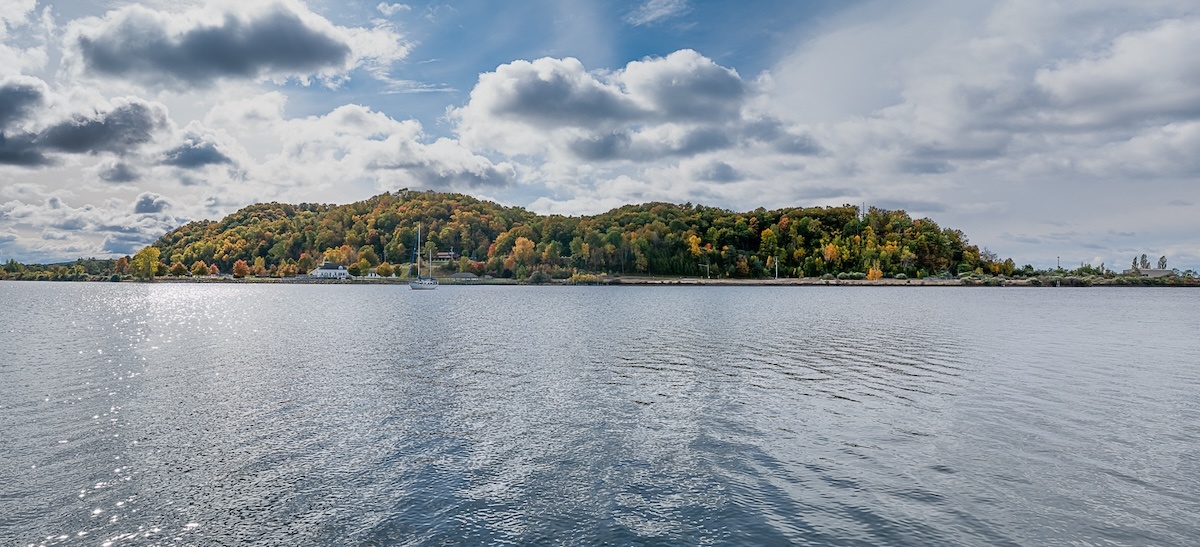
As with most conservancies, fundraising is always top of mind for GTRLC, and 2025 was no different. “Last year, one of our biggest challenges was raising $19.5 million in under six months to acquire 35 acres of Elberta’s waterfront along Lake Michigan and Betsie Bay,” says Auwers. (Pictured: Photo by Rick Kane) In 2025, the effort was advancing to the second phase of the project, which involved raising roughly $7.5 million to transform the site into a balanced mix of protected natural land, public recreational spaces, and community-focused redevelopment.
Upcoming Conservancy Goals
“We currently have 19 active projects that have been board-approved, including one of our most ambitious projects,” says Auwers, a proposed nature preserve known as “The Ridge.” This ecologically rich landscape in East Bay Township would seek to protect water quality, provide critical wildlife habitat, and offer exceptional potential for public recreation.
The Public Should Know
“You can play an essential role in land preservation by making a financial contribution, volunteering, or protecting your land!” she says.
Learn more at GTRLC.org.
Leelanau Conservancy
Founded in 1988, the organization has protected over 18,000 acres in Leelanau County, created and maintained 28 natural areas and preserves, and boasts 48 miles of trails for hiking, biking, cross-country skiing, and more.
Biggest Conservation Wins
It’s no surprise that the exciting and well-publicized acquisition of Sugar Loaf was the title win for the Leelanau Conservancy this year. “Our happiest moment was securing the opportunity to protect Sugar Loaf and transform this long-dormant landscape into a public natural area,” says Allison Acosta, communications specialist.
Acosta points to the overwhelming community support and the generosity of the landowners which made this project possible. “This is a huge win for both ecological restoration and public recreation at Sugar Loaf,” she says. The vision for the site is to include a trail network for hiking, biking, snowshoeing, cross-country, and backcountry skiing. Also envisioned are family-friendly amenities, a sledding hill, nature play area, and ongoing ecological restoration to protect the landscape, watershed, and native species.
Conservation Challenges
The financial effort to acquire Sugar Loaf was the most significant hurdle faced by the conservancy this year. “The opportunity to preserve Sugar Loaf was both exciting and daunting,” says Acosta. “Our biggest challenge was raising $8 million to permanently protect this 285-acre property.”
The conservancy credits the determination of its team along with the “astounding generosity” of the community to reach the fundraising benchmark in September. Acosta adds that while the goal has been met, any additional gifts will support long-term stewardship of Sugar Loaf.
Upcoming Conservancy Goals
“Our team is working tirelessly to prepare Sugar Loaf Scenic Area for its public debut,” says Acosta. “While we anticipate the first phase of this project opening in summer 2026, it will take years to fully build out our recreation vision for this site. We’re looking forward to welcoming folks back to this beloved landmark.”
The Public Should Know
“Support your local land trust! Whether it’s volunteering your time at workbees, donating monetarily, or spreading the word about events, we’re only able to do the work we do because of your support,” Acosta says. “Every volunteer hour, dollar donated, and social media share makes a difference. These actions allow us to dream big and make good on our promise to preserve and protect our local landscape.”
Learn more at leelanauconservancy.org.
Little Traverse Conservancy
Since 1972, the Little Traverse Conservancy has committed to protecting the natural diversity and beauty of the region and services Chippewa, Mackinac, Emmet, Cheboygan, and Charlevoix counties. The organization has protected over 73,000 acres of land and 181 miles of water frontage in the area.
Biggest Conservation Wins
One of the big projects completed this year for Little Traverse Conservancy was the finalizing the universally accessible trail at Enji-minozhiiyaamigak: The Place of Peacefulness in Charlevoix County. Located in Hayes township, the half-mile trail leads to a lake overlook along a quarter mile of Lake Michigan shoreline. Also found at the overlook is a tree sculpture by the Spring 2025 class of the Industrial Arts Institute in Onaway. The sculpture holds a map showing historical locations around Little Traverse Bay of the Little Traverse Bay Bands of Odawa Indians.
Another accomplishment was the protection of Chigidaaki: Place of the Big Hill Working Forest Reserve. Located in Melrose Township, Charlevoix County, the property totals 654 acres offering hilly hardwood terrain, large open meadows, and miles of two tracks in addition to views of Lake Charlevoix and Boyne City. The reserve is adjacent to over 100,000 acres of state land, making it an important ecological corridor.
Conservation Challenges
“The March 2025 ice storm presented an incredible challenge to our trails,” says Anne Fleming, director of community outreach and communications. “111 volunteers cleared trails with us at multiple work bees,” she says. Fleming adds that known volunteers gave 846 hours at 32 properties to clear trails during workdays held throughout the spring into fall of this year.
“As we get ready for winter grooming, more work is now being done to clear what has fallen from the canopy that was damaged in the storm,” she says.
Upcoming Conservancy Goals
Looking ahead to the new year, Fleming points to three objectives for LTC: 1) Increasing efforts to prioritize and protect more of the places that make northern Michigan so special. 2) Strategically increasing access to more preserves, particularly around higher population areas and for people with mobility challenges. 3) Deepening the conservancy’s process of inventorying the ecosystems we protect to better inform sound management decisions for those lands.
The Public Should Know
“Either protect your own land or support the conservancy to help others protect theirs!” says Fleming. “And, most importantly, get out and enjoy the elixir of Mother Nature!”
Learn more at landtrust.org.
HeadWaters Land Conservancy
HeadWaters Land Conservancy got its start in 1994, and ever since has focused on conserving significant forests, farmland, and natural areas in northeastern Michigan. They have conserved over 10,000 acres of land in the region.
Biggest Conservation Wins
One of the largest wins this year for HeadWaters was the protection of an additional 6,500 acres.
“We expanded our coastal project at Hess Nature Preserve, advanced protection of a major regional wetland system, and partnered with a private landowner to conserve a large, undeveloped forest and wetland tract,” says Executive Director Julie Rubsam. “Together, these projects strengthen the ecological health and long-term resilience of northeastern Michigan.”
For additional successes this year, Rubsam also points to strengthened stewardship across over 18,000 protected acres and expanded public education through Landowner Workshops. “Our new workshop series brought dozens of landowners and conservation organizations together to learn about conservation options, habitat improvement, invasive species management, and long-term planning,” she says.
Conservation Challenges
For HeadWaters and Rubsam, meeting growing enthusiasm with a lean team was a particular challenge. “With increased interest in conservation projects, the pace of new opportunities pushed us to work smarter, deepen partnerships, and refine our systems,” she says. “It became a year of rising to meet demand while keeping our long-term standards strong.”
Much like Little Traverse Conservancy, dealing with the aftermath of the March 2025 ice storm was also a significant hurdle for the conservancy group. “The storm brought widespread tree damage, blocked trails, and increased safety hazards across protected lands,” says Rubsam. The work to assess impacts, clear debris, and ensure the safety of visitors and volunteers stretched the resources of the organization already operating at full capacity.
Upcoming Conservancy Goals
Looking ahead, HeadWaters is setting the groundwork for long-term success. “We are preparing a three to five-year roadmap that will guide land protection priorities,” Rubsam says. Focuses for the future include staffing growth, public access planning, and continuing the conservancy’s role in strengthening conservation efforts across their 11-county service area.
Additionally, the organization is targeting expanded community programs and volunteer engagement. “We aim to offer more hands-on opportunities, educational programs, and stewardship days,” she says, “so residents across northern Michigan can directly participate in protecting the places they love.”
The Public Should Know
Rubsam urges people looking to engage with the landscape to begin close to home.
“Start with the land you know and love,” she says. “Walk your property, your neighborhood woods, or your favorite stretch of shoreline with curiosity. Learn what grows there, what wildlife depends on it, and what pressures it faces.”
She encourages people to then take the next step and help where possible, “whether that’s planting native species, removing invasives, volunteering with a conservancy, or exploring long-term protection options.”
“Conservation isn’t just something organizations do; it’s something everyday people make possible, one decision at a time,” Rubsam concludes.
Learn more at headwatersconservancy.org.
Cadillac Area Land Conservancy
For the past 30 years, the Cadillac Area Land Conservancy has managed and protected natural, forest, and farm land in Missaukee, Osceola, Wexford, Lake, and Mason counties and has preserved around 3,000 acres in the area.
Biggest Conservation Wins
A big focus for the Cadillac Area Land Conservancy (CALC) this year was building relationships and community for future projects. “The Cadillac Area Land Conservancy initiated or continued conversations and planning for developing new conservation easements,” says Chris Gentry, executive director. “When completed, [these projects] could lead to 1,000 additional acres of protected land in our service area.”
Conservation Challenges
Gentry points to expanding land preservation while also being able to increase the capacity of the conservancy as a primary challenge in the year ahead.
Upcoming Conservation Goals
For CALC, progressing toward closing projects, expanding community outreach, and expanding partnerships are the objectives for the future. Gentry discusses closing on 500 to 1,000 new protected acres by partnering with private landowners and establishing conservation easements as a mission for the coming year. The organization is also focused on widening its network with community awareness, developing new volunteer opportunities, and making connections and partnerships with other organizations.
The Public Should Know
“We’d encourage everyone to get involved locally—whether it’s through volunteering, donating, or advocating for natural spaces,” he says. “Even small actions can have a significant impact, and by supporting conservation efforts, readers are helping to preserve the places that make this region so special for future generations.”
Gentry also suggests people take small steps in their own lives that can have major impacts like using native plants in landscaping, reducing water use, or simply being mindful of how development affects the natural world. It all adds up!
Learn more at calc-landtrust.org.


Trending

Searching for a Sugar High
In the words of Cookie Monster, “NOM NOM NOM.” It’s cookie season, and we’re here for every gingerbr… Read More >>
Christmas in Sweden (by way of Benzie)
Musical duo Ingemar and Lisa Johansson, also members of Song of the Lakes group, bring “Christmas in Sweden: A Musical… Read More >>
Fighting Harder for Local Women and Children
Traverse Bay Children’s Advocacy Center (TBCAC) has been navigating a particularly challenging year. Though CEO Lande… Read More >>