New Park Idea
April 20, 2005
Builder Gary Keyes is floating the idea of a new park for Traverse City on a choice parcel of land on M-72 overlooking West Grand Traverse Bay behind Tom‘s Market.The 16-acre property has been in Keyes‘ family for several generations and has historical significance as well as a view. The land is the former site of the Smith Sanitarium, which was Traverse City‘s first hospital before burning down in 1915. Destruction of the Sanitarium prompted Dr. James Decker Munson to construct a 22-bed general hospital at the corner of 11th and South Elmwood Ave., which evolved into the region‘s largest medical center over the years. Keyes still has photos of the city‘s original hospital in his family‘s collection.
Keyes has been having some informal talks with city officials, concurrent with real estate appraisers. Ideally, he‘d like to see the land used as a park overlooking the bay. Combined with adjoining wetlands, such a park would encompass about 20 acres.
“I‘m putting my best foot forward, but that doesn‘t mean it‘s going to happen,“ he notes. “I‘m trying to make the effort in memory of my parents and grandparents.“
He estimates the property is worth about $3 million and notes that it is the last large piece of land overlooking the bay in the city.
“I‘d like to see it used possibly as a park, but if not, then some developer from Chicago could buy it,“ Keyes says.
Keyes hopes to take his idea to the Traverse City Commission and Parks & Rec Board this summer for discussion. Beyond that stage, purchase of the land for a park would require a citywide vote.
So long, Death Tax
Rep. Dave Camp (R-Midland) voted last week to put the final nail in the coffin for the so-called Death Tax.
“Dying should not mean higher taxes and less inheritance for family members,” said Camp, a senior member of the tax-writing Ways and Means Committee. “Killing the Death Tax means farmers and small business owners will be able to pass on their operations to younger generations without the fear of the government taking it away.”
Prior to 2001, Camp notes in a release, the top Death Tax rate was 55%, with some taxpayers paying a 60% marginal rate. Today the top rate is 47%. While the tax was being phased out in 2010, unless Congress acted the taxation would reappear in 2011. Camp says permanent repeal of the tax will ensure that small businesses and family farms are not subject to unfair rates of taxation.
He adds that studies have shown that the Death Tax is the leading cause of dissolution for most small businesses. It is estimated that 70 percent of businesses never make it past the first generation because of Death Tax rates and 87 percent do not make it to the third generation. The tax is also an inefficient revenue raiser and accounting for barely one percent of federal revenue.
The measure passed the House and will now head to the Senate. Despite being rejected by the upper chamber in previous years, it is expected to pass this time.

Trending
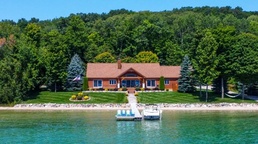
Summer Hot Spot: Median Sale Price for Area Homes Up 88 Percent Since 2019
Summer has long been the most active season for buying and selling real estate in northern Michigan. So, how was summer 2026… Read More >>
Donating Ahead of Cold Weather
Hard to believe, but winter is not that far away. Jubilee House, Traverse City’s only drop-in day shelter for adults e… Read More >>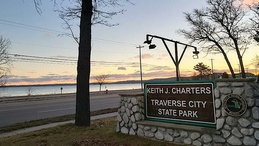
TC State Park Reopening in October
Construction work on the Keith J. Charters State Park in Traverse City is wrapping up early, according to the Michigan DNR, … Read More >>