Those nasty plastic bags
July 18, 2007
We are turning our planet into a virtual plastic bouncy ball, filling it with our grocery bags -- over 84 billion bags in America alone.I recently attended a course on environmental change at Grand Valley State University. The course was led by Kate Fairman, a long-time supporter of environmental change in Northern Michigan.
Our group of seven students decided to tackle the issue of plastic grocery bags, which has become an epidemic in some parts of the world. Plastic grocery bags -- which, for the most part, have replaced paper bags at checkout lanes -- were our main focus.
While plastic bags save trees from being cut down to make paper bags, they are called the “plastic flower” in many parts of the world. They decorate villages, fields, roads, cities, and the countryside dancing in the wind, disturbing foliage and local wildlife and endangering critical ecosystems.
Plastic bags are also becoming a major problem in the United States. The average life cycle for a plastic bag to break down is between 500 to 1,000 years. That means that every bag that goes to the local landfill will be around for at least 500 years. Eight billion pounds of plastic bags enter American landfills each year, becoming one of the primary agents of landfills.
Some facts to consider: In less than 200 days one major Michigan grocery chain uses enough plastic bags to go line the entire perimeter of all the Great Lakes combined.
It is estimated that over 100,000 whales, sea turtles and other marine animals are killed each year by plastic bags.
Plastic bags pose a serious threat to our global ecosystem, and many governments have already initiated “responsibility” acts. Ireland placed a usage tax of 13 cents per bag and reduced consumption by 95%. Australia has reduced their consumption by 29%; Denmark, by 66%. San Francisco banned plastic bags altogether and is projected to reduce 1,400 tons of landfill debris annually.
The question that most of us had was, what are we going to carry our groceries home in? The alternatives to plastic grocery bags are many. Some people use reusable bags made of cloth or polypropylene. Other grocery stores now offer biodegradable bags, which look and feel identical to plastic bags, but are made from materials that allow for rapid breakdown in a year or less.
CORN CONNECTION
Plastic is made from a process fossil fuels, along with other compounds. Just as corn is being used to produce alternative fuel sources for automobiles, corn is also being used to create biodegradable plastic bags.
Biodegradable bags are slightly more costly than traditional plastic bags because the demand has not yet increased enough to warrant large scale production. Current estimates place biodegradable grocery bags at approximately 14-20 cents, compared to less than five cents for traditional plastic bags.
We ran a small, informal survey in Grand Traverse County and found that most people would use reusable bags if stores levied a fee for bags. Pay a few additional cents for biodegradable bags.
Our mission was to target as many Michigan-based grocery store franchises as possible. The various grocery stores were mailed an introductory letter, along with a five- minute DVD that we created. The DVD was a compilation of facts, suggestions, questions, and alternative solutions. With this media kit we hoped to help create an atmosphere that would foster social and environmental concern that would lead to change.
Many retailers are now offering contests and encouraging recycling use. Trader Joe’s offers BYOB contests (bring your own bag), while Wal-Mart has contests for elementary students to see who can bring in the most plastic bags. Responsible retailers are looking at the bigger picture and realize that the bottom line isn’t money; it’s protecting our diminishing natural resources.
What can you do? Insist that your local retailer uses alternative products; bring your own reusable bags; don’t use a bag for a few items that you can easily carry out. If you do choose to use plastic bags, then please recycle.
Our group included Alicia Cosgrove, Emily Baker, Traci Joseph, Barb Burch, Josh Havens, Jackie Abeyta, Kate Fairman, and myself. For more information and our class video visit: www.socialexplorations.org (Environmental Gateway Link).


Trending

Summer Hot Spot: Median Sale Price for Area Homes Up 88 Percent Since 2019
Summer has long been the most active season for buying and selling real estate in northern Michigan. So, how was summer 2026… Read More >>
Donating Ahead of Cold Weather
Hard to believe, but winter is not that far away. Jubilee House, Traverse City’s only drop-in day shelter for adults e… Read More >>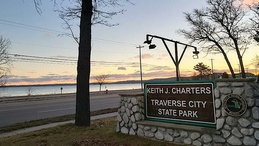
TC State Park Reopening in October
Construction work on the Keith J. Charters State Park in Traverse City is wrapping up early, according to the Michigan DNR, … Read More >>